

Why SEO, AEO, and GEO Matter for Modern Business Growth

SEO, AEO, and GEO help businesses improve visibility across search engines, answer engines, and generative AI platforms. Learn how modern companies can create content that ranks, answers customer questions, and appears in AI powered search results.
What are SEO, AEO, and GEO?
SEO means Search Engine Optimization. It helps a website appear on search engines when people search for services, products, or solutions.
AEO means Answer Engine Optimization. It helps website content appear as direct answers in search results, featured snippets, voice search, and question based searches.
GEO means Generative Engine Optimization. It helps business content become easier for AI powered search tools and generative platforms to understand, summarize, and recommend.
Together, SEO, AEO, and GEO help businesses become visible in the new search environment. Earlier, companies only focused on ranking on Google. Now, businesses also need to be ready for AI search, conversational search, and answer based discovery.
Why is SEO still important for businesses?
SEO is still important because search engines remain one of the strongest ways for customers to discover businesses online.
When someone needs a service, they usually search online first. They may search for website development, app development, AI automation, cloud solutions, business growth services, or software development companies.
If your website is not optimized, your business may not appear when customers are actively searching.
SEO helps your website become visible for the right keywords, locations, services, and customer needs. It improves organic traffic, brand trust, and long term lead generation.
A business that invests in SEO builds a digital asset. Paid ads stop when the budget stops, but SEO can continue bringing visitors over time when done properly.
What is AEO and why does it matter?
AEO means optimizing content so that it can answer user questions clearly.
People no longer search only with short keywords. They ask full questions like “How can AI help my business?” or “What is the best way to build a scalable website?”
Search engines and AI systems prefer content that gives direct, useful, and structured answers.
This is why AEO matters.
AEO focused content usually includes clear questions, direct answers, simple explanations, FAQs, comparison sections, and helpful examples. It helps search engines understand the meaning of the content and show it to users who need quick answers.
For a company like Pixenox, AEO is very useful because customers may ask questions about AI systems, web development, cloud infrastructure, SEO, automation, SaaS products, and growth solutions.
What is GEO and how is it different?
GEO means Generative Engine Optimization. It focuses on making content understandable and useful for generative AI search platforms.
In traditional SEO, the goal is to rank on search engine result pages. In GEO, the goal is to make sure AI systems can understand your brand, services, expertise, and content clearly enough to mention or recommend your business in generated answers.
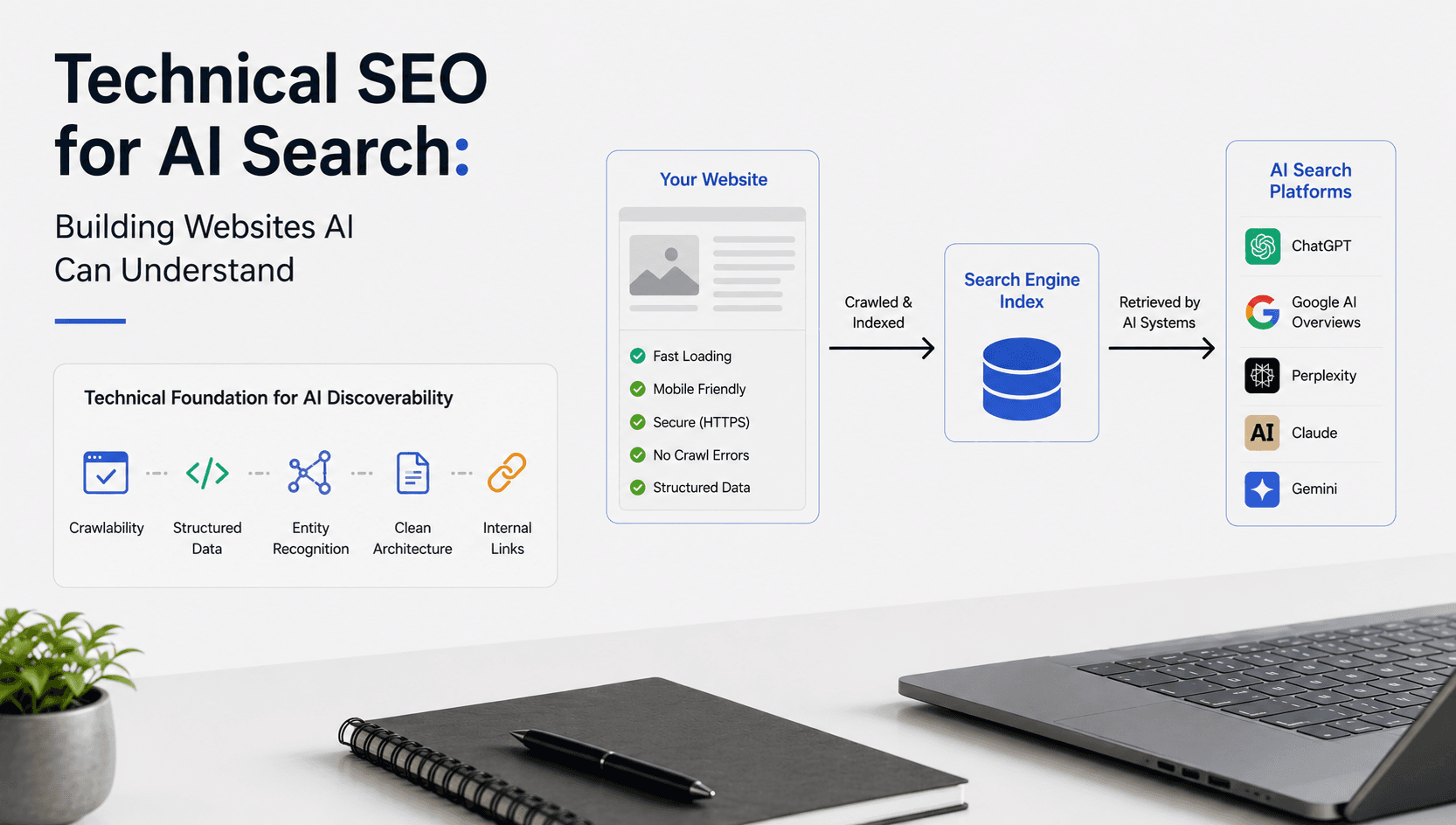
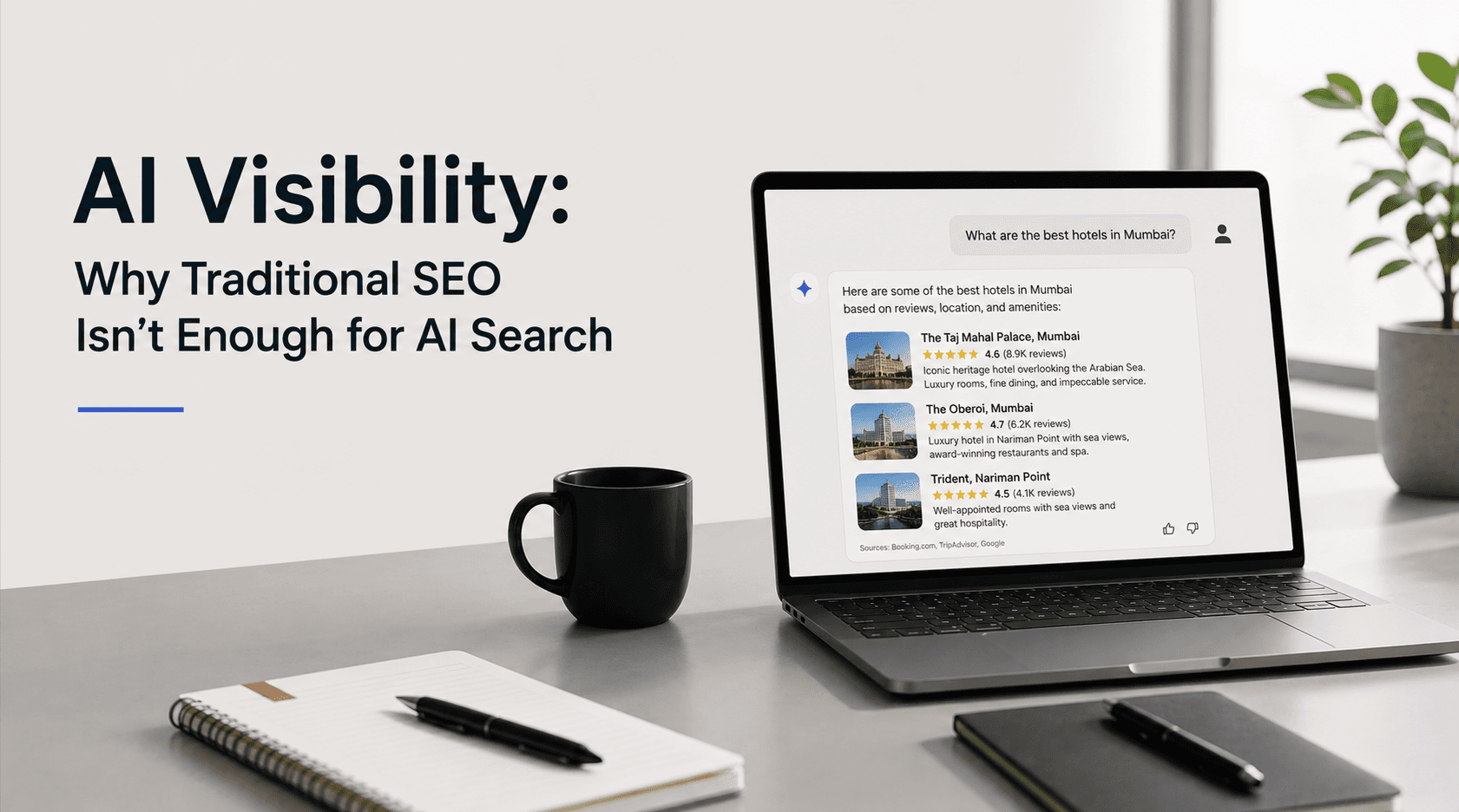
Generative search does not always show results like normal search pages. It may directly summarize answers for users. This means businesses need content that is clear, trustworthy, well structured, and context rich.
GEO content should explain who you help, what problems you solve, how your services work, what outcomes customers can expect, and why your approach is valuable.
If your website content is unclear, generic, or thin, AI search systems may not understand your business properly.
Why are people searching differently now?
People are searching differently because they want faster and more direct answers.
Earlier, users typed short keywords and opened multiple websites. Now, many users ask full questions and expect a clear answer immediately. They also use AI tools to compare companies, understand services, generate ideas, and make buying decisions.
For example, a business owner may ask:
What type of website does my business need? How can I automate my lead generation process? Can AI improve customer support? What is the difference between a website and a web platform? How much cloud infrastructure does a startup need?
This change means businesses must create content that answers questions, explains solutions, and builds trust before the customer contacts them.
How can businesses create content for SEO, AEO, and GEO?
Businesses can create content for SEO, AEO, and GEO by combining keywords, questions, structured answers, and helpful explanations.
For SEO, the content should include important search terms related to the business. For AEO, the content should answer real customer questions clearly. For GEO, the content should explain the brand, services, process, benefits, and expertise in a way that AI systems can understand.
A good content structure should include a clear title, useful meta description, question based headings, direct answers, examples, service relevance, and internal links.
Instead of writing only promotional content, businesses should write educational content. The goal should be to help the customer understand the problem and the solution.
Helpful content performs better because it builds trust.
Why should service pages and blogs answer real questions?
Service pages and blogs should answer real questions because customers search based on their problems, not only based on company services.
A customer may not search “custom software development company” immediately. They may first search “how to automate business workflow” or “how to build a customer dashboard for my company.”
If your blog answers that question, the customer may discover your business earlier in their decision journey.
This is why question based headings are powerful. They match how people search and how AI systems understand content.
For example, instead of only writing “Our AI Services,” a blog can answer “How can AI systems reduce manual work in business?” This creates better visibility and better customer understanding.
How can AI search change lead generation?
AI search can change lead generation because customers may get business recommendations directly inside AI generated answers.
When users ask AI tools for suggestions, comparisons, or explanations, the AI system may use available online information to form an answer.
If your business has strong, clear, and useful content online, it becomes easier for AI systems to understand your expertise.
This can help your company appear in more discovery moments.
For example, if Pixenox publishes detailed blogs about AI systems, scalable web architecture, cloud ready platforms, SEO, AEO, GEO, and business automation, it builds topical authority. Over time, this can improve visibility across search engines and AI assisted discovery channels.
The future of lead generation will not depend only on cold outreach or ads. Content visibility across search and AI platforms will become a major growth channel.
How can Pixenox help businesses grow with SEO, AEO, and GEO?
Pixenox can help businesses build growth focused digital systems that combine SEO, AEO, GEO, web architecture, analytics, AI, and automation.
This means creating websites and content structures that are not only visually good, but also discoverable, understandable, and conversion focused.
Pixenox can help businesses create optimized service pages, blog strategies, question based content, technical SEO structure, analytics tracking, landing pages, and AI ready content frameworks.
For startups, this can help build early visibility. For service businesses, it can generate better inbound leads. For growing companies, it can create a stronger digital growth engine.
The goal is to make the business visible where customers are searching now and where customers will search next.
Final thoughts
SEO, AEO, and GEO are not separate trends. They are connected parts of modern digital growth.
SEO helps people find your website through search engines. AEO helps your content answer customer questions clearly. GEO helps your business become understandable for AI powered search platforms.
Modern businesses need all three.
A company that creates clear, helpful, structured, and trustworthy content will have a better chance of being discovered across search engines, answer engines, and generative AI platforms.
For Pixenox, this is a strong direction because the brand already works at the intersection of technology, AI, web systems, cloud infrastructure, and business growth.
Any questions about this blog?