

How ERP Helps Businesses Save Time, Improve Efficiency, and Accelerate Growth

Discover how ERP software helps businesses automate operations, reduce manual work, save valuable time, improve productivity, and support business growth. Learn the key benefits of ERP systems for small, medium, and large businesses.
What Is ERP?
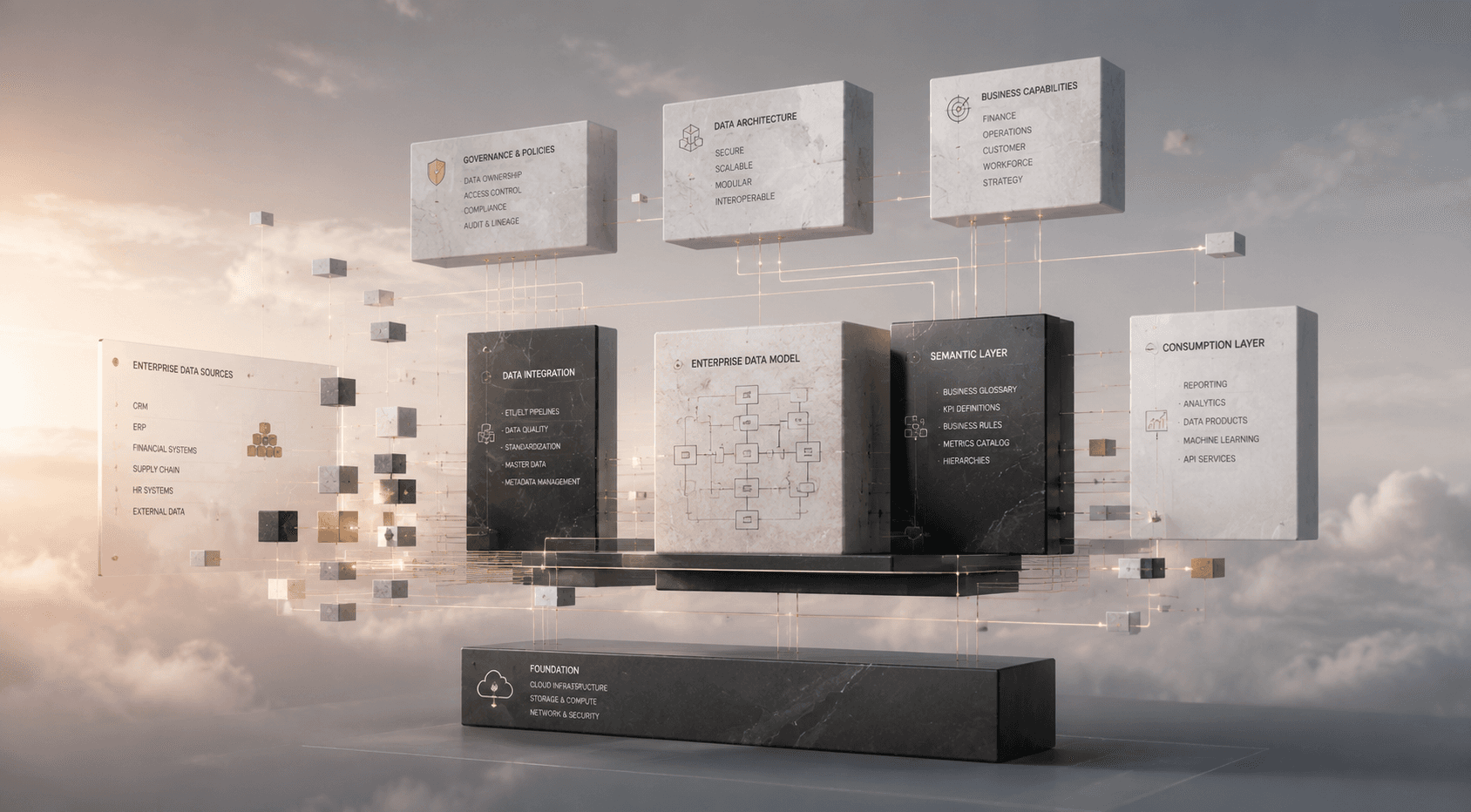
Enterprise Resource Planning (ERP) is a centralized software system that connects different business departments into one platform. Instead of using separate tools for finance, inventory, HR, purchasing, sales, and customer management, ERP stores all business information in a single database.
This allows every department to work with the same real-time data, reducing communication gaps and eliminating duplicate work.
For example, when a customer places an order, the ERP system automatically updates inventory, informs the finance department, creates invoices, and alerts the warehouse for shipment—all without requiring manual coordination.
ERP acts as the digital backbone of modern businesses by streamlining daily operations and improving overall efficiency.
Why Businesses Waste Time Without ERP
Many businesses rely on spreadsheets, emails, and disconnected software applications. While these tools work initially, they become inefficient as the business grows.
Common time-consuming challenges include:
Manual data entry Repeated information across multiple systems Delayed approvals Inventory mismatches Slow financial reporting Communication gaps between departments Human errors caused by duplicate work
Employees often spend hours searching for information that should be instantly available.
Without a centralized system, decision-making becomes slower because managers must collect reports from different teams before acting.
| Without ERP | With ERP |
|---|---|
| Manual data entry | Automated workflows |
| Multiple spreadsheets | Single centralized database |
| Delayed reporting | Real-time reports |
| Repeated tasks | Process automation |
| Data inconsistencies | One source of truth |
| Slow communication | Instant data sharing |
How ERP Saves Time Across Every Department
One of the biggest advantages of ERP software is time savings. Automation removes repetitive work, allowing employees to focus on higher-value tasks.
Here is how ERP saves time in different departments.
Finance Automatic invoice generation Faster bank reconciliation Instant financial reports Reduced accounting errors Inventory Automatic stock updates Low-stock alerts Barcode integration Faster inventory tracking Sales Instant order processing Automated quotations Customer history available immediately Human Resources Payroll automation Employee attendance tracking Leave management Recruitment workflows Procurement Purchase approvals Vendor management Automated purchase orders
Each department works with real-time information instead of waiting for manual updates.
10 Ways ERP Saves Business Time
ERP software reduces wasted hours by automating routine business operations.
Some of the biggest time-saving benefits include:
Eliminates duplicate data entry Automates repetitive workflows Generates reports instantly Speeds up approval processes Improves inventory accuracy Reduces communication delays Simplifies employee management Automates invoicing Provides real-time dashboards Reduces human errors
Businesses often recover hundreds of working hours each month after implementing ERP.

ERP Automation vs Manual Processes
Automation is the core reason ERP delivers measurable productivity improvements.
Instead of relying on employees to manually perform repetitive tasks, ERP software completes them automatically based on predefined workflows.
Examples include:
Invoice generation after order confirmation Automatic inventory deduction Purchase requests triggered by low stock Payroll calculated automatically Customer notifications sent instantly
Automation ensures work continues even outside business hours, reducing delays and increasing operational speed.
Real-Life Example of ERP Time Savings
Imagine a manufacturing company receiving 300 customer orders every day.
Without ERP:
Sales manually records orders. Finance creates invoices separately. Warehouse checks stock manually. Procurement orders inventory after shortages occur. Managers prepare reports weekly.
With ERP:
Orders enter the system automatically. Inventory updates instantly. Invoices generate immediately. Procurement receives stock alerts automatically. Management dashboards update in real time.
Tasks that previously required several employees and multiple hours can now be completed within minutes.
Additional Business Benefits Beyond Time Savings
Although ERP is widely recognized for improving efficiency, its benefits extend much further.
Businesses also gain:
Better customer satisfaction Improved decision-making Higher employee productivity Accurate financial management Stronger compliance Better forecasting Increased profitability Scalable business operations Reduced operational costs Enhanced collaboration across departments
Time savings become the foundation for sustainable business growth.
Is ERP Worth It for Small Businesses?
Many small business owners believe ERP is only suitable for large enterprises. However, modern cloud-based ERP solutions are designed for businesses of all sizes.
Small businesses benefit from ERP by:
Managing operations from one platform Reducing administrative workload Improving customer service Supporting business expansion Eliminating unnecessary software subscriptions Making data-driven decisions
Starting with ERP early helps businesses build scalable processes before operational complexity increases.
How to Choose the Right ERP Solution
Selecting the right ERP system depends on your business requirements.
Consider these factors:
Industry-specific features Ease of use Cloud or on-premise deployment Integration capabilities Customization options Mobile accessibility Reporting and analytics Security standards Customer support Future scalability
Choosing an ERP that aligns with long-term business goals ensures a better return on investment.
Conclusion
ERP software is much more than a management tool—it is a productivity engine that transforms how businesses operate. By centralizing data, automating repetitive tasks, and providing real-time insights, ERP helps organizations save time, reduce operational costs, and make faster, smarter decisions.
Whether you're a startup, a growing business, or an established enterprise, implementing ERP allows your teams to spend less time on manual processes and more time driving innovation, serving customers, and achieving sustainable growth. Investing in the right ERP solution today can create lasting efficiency gains that benefit your business for years to come.
Any questions about this blog?
Frequently Asked Questions
What does ERP stand for?
ERP stands for Enterprise Resource Planning, a software system that integrates various business processes into one centralized platform.
How does ERP save time?
ERP saves time by automating repetitive tasks, reducing manual data entry, generating reports instantly, improving communication, and providing real-time information across departments.
Can small businesses use ERP?
Yes. Modern cloud-based ERP solutions are affordable and scalable, making them suitable for startups and small businesses as well as large enterprises.
Which departments benefit the most from ERP?
Finance, sales, inventory, procurement, human resources, manufacturing, customer service, and management all benefit significantly from ERP implementation.
How long does ERP implementation take?
Implementation timelines vary depending on business size and complexity. Small businesses may complete implementation in a few weeks, while larger enterprises can take several months.
Does ERP reduce operational costs?
Yes. ERP reduces costs by minimizing manual work, preventing errors, optimizing inventory, improving resource utilization, and streamlining workflows.
Is cloud ERP better than traditional ERP?
Cloud ERP offers benefits such as lower upfront costs, automatic updates, remote access, scalability, and easier maintenance. The best choice depends on your business needs.
What industries commonly use ERP?
ERP is widely used in manufacturing, retail, healthcare, logistics, construction, education, hospitality, finance, eCommerce, and professional services.
What is the biggest advantage of ERP?
The biggest advantage is having a single source of truth where all business data is connected, enabling automation, faster decision-making, and significant time savings.
How can ERP improve business growth?
ERP improves growth by increasing productivity, enhancing customer service, providing actionable insights, reducing inefficiencies, and allowing businesses to scale operations more effectively.