

How Digital Transformation Is Changing Every Industry

Digital transformation is changing how industries operate, serve customers, manage data, and grow. Learn why businesses across healthcare, education, finance, manufacturing, retail, real estate, and service sectors need modern websites, AI systems, cloud platforms, and automation to stay competitive.
What does digital transformation mean for industries?
Digital transformation means using technology to improve how a business works, serves customers, manages information, and grows in the market.
It is not only about creating a website or using software. It is about building better systems that help businesses become faster, smarter, more organized, and more scalable.
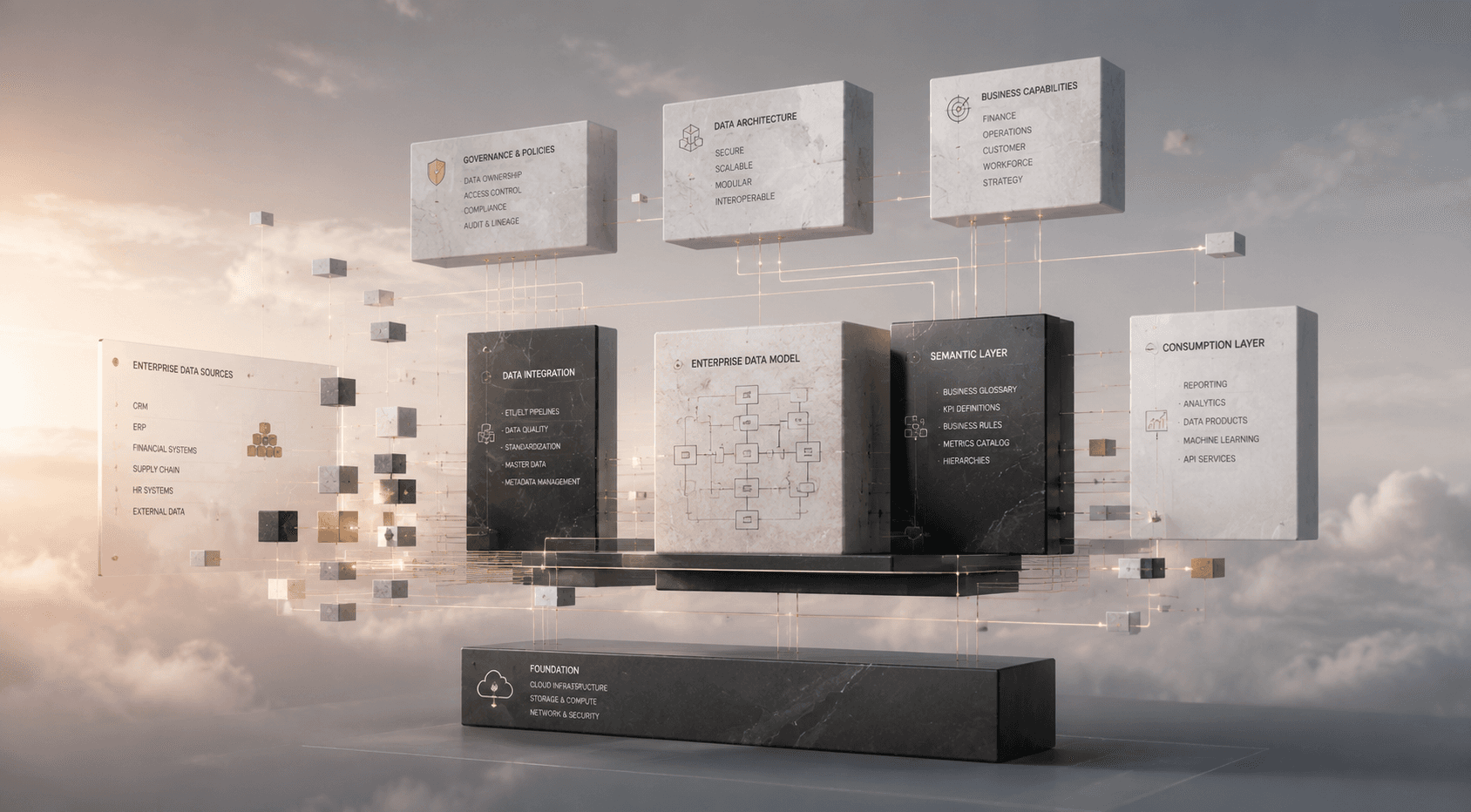
For industries, digital transformation can include websites, mobile apps, customer portals, CRM systems, dashboards, cloud infrastructure, AI automation, analytics, online payments, booking systems, and internal workflow tools.
A digitally transformed business does not depend only on manual work. It uses technology to improve speed, accuracy, communication, and decision making.
Why are industries moving towards digital systems?
Industries are moving towards digital systems because customers, teams, and markets are changing.
Customers expect fast service, online access, clear communication, and smooth digital experiences. Employees need better tools to manage work. Business owners need accurate data to make decisions.
Traditional manual systems are slow and difficult to scale. Paper based records, scattered spreadsheets, delayed communication, and disconnected tools create confusion as the business grows.
Digital systems solve these problems by connecting information, people, and processes in one place.
This helps industries reduce manual effort, improve customer experience, and build stronger operational control.
How is AI changing industry operations?
AI is changing industry operations by helping businesses automate tasks, analyze data, support customers, and make faster decisions.
For example, AI can help a healthcare clinic manage appointment inquiries, a finance company analyze customer data, an education institute answer student questions, or a manufacturing company monitor workflow reports.
AI can also support customer service, lead qualification, document processing, report generation, marketing content, sales follow up, and business analytics.
The biggest advantage of AI is that it helps teams save time and focus on higher value work.
AI does not need to replace people. It can work as a support system that improves productivity and decision making.
Why do industries need custom software?
Industries need custom software because every business has different workflows, customers, services, and operational needs.
Generic tools may not always fit the way a company works. A school, hospital, real estate firm, manufacturing unit, consultancy, and retail business all need different systems.
Custom software helps businesses build solutions according to their exact process.
For example, a real estate company may need a property listing platform, lead management dashboard, and customer follow up system. A healthcare clinic may need appointment booking, patient records, and billing workflow. A manufacturing company may need inventory tracking, production updates, and reporting dashboards.
Custom software gives better control, flexibility, and scalability.
How are websites becoming business platforms?
Websites are no longer only used to show company information. They are becoming complete business platforms.
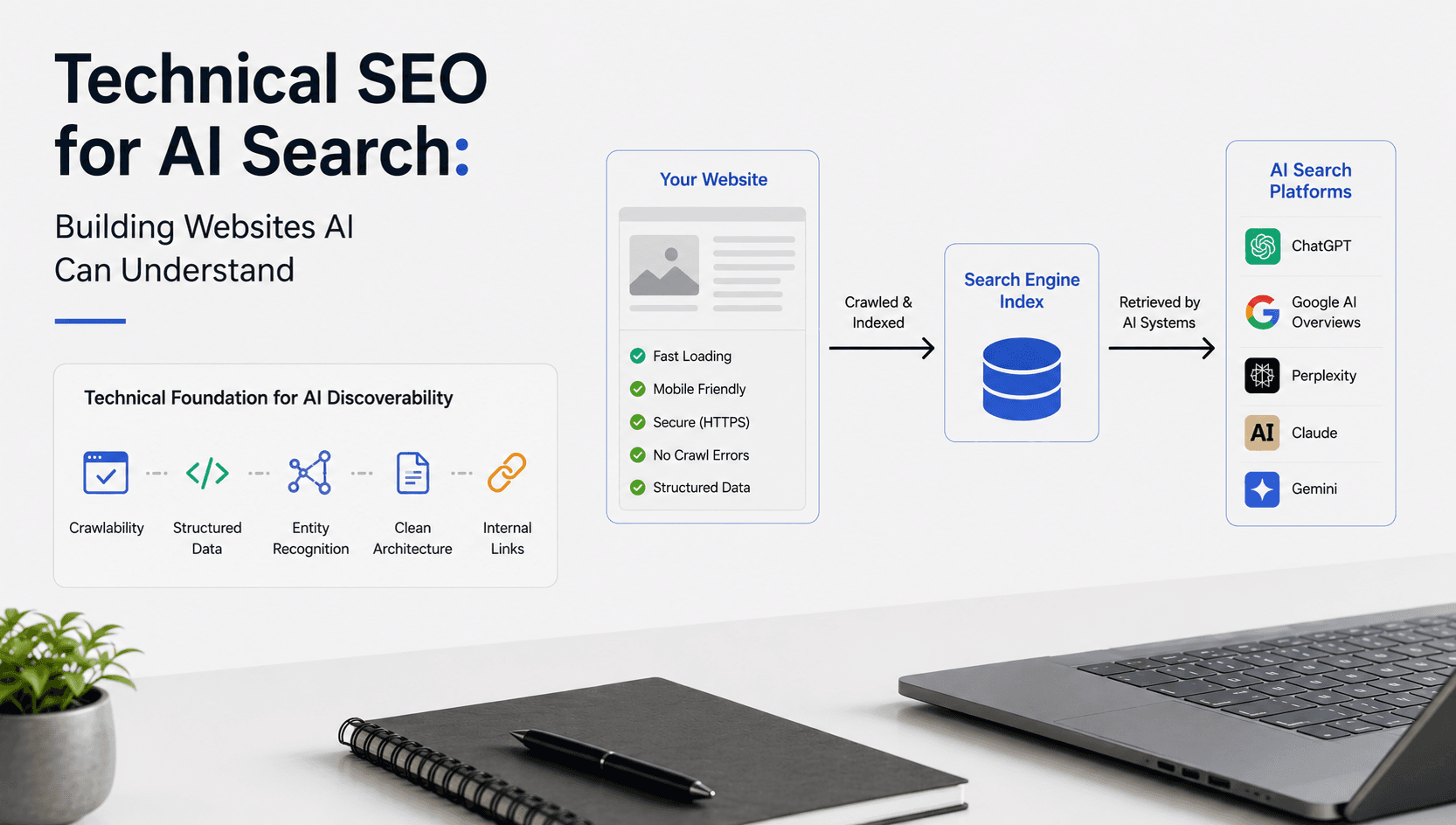
A modern website can generate leads, collect customer data, answer questions, connect with CRM tools, show dashboards, process payments, publish blogs, support SEO, and provide customer support.
For many industries, the website is the first point of trust. Customers check the website before calling, visiting, or buying.
If the website is slow, unclear, outdated, or not useful, the business may lose potential customers.
A strong website should explain services clearly, build trust, guide users, and connect with business workflows.
This is why industries need websites that are designed for growth, not only for appearance.
How does cloud infrastructure support industry growth?
Cloud infrastructure helps industries store data, run applications, manage traffic, improve security, and scale digital systems.
Instead of depending only on local systems, businesses can use cloud platforms to make their digital operations more flexible and reliable.
Cloud infrastructure is useful for websites, apps, dashboards, SaaS products, customer portals, document systems, and AI powered platforms.
When a business grows, cloud systems can support more users, more data, and more features.
It also helps with backup, monitoring, deployment, and accessibility.
For industries that want long term digital growth, cloud readiness is an important foundation.
Why is automation important for modern industries?
Automation is important because many industries still waste time on repeated manual tasks.
Teams manually enter data, send follow up messages, prepare reports, update records, assign work, and track customer requests. These activities take time and can create mistakes.
Automation helps complete these tasks faster and more accurately.
For example, when a customer fills a form on a website, the details can automatically go to a CRM, notify the sales team, send a confirmation email, and create a follow up reminder.
This improves speed and reduces dependency on manual coordination.
Automation helps businesses become more organized and professional.
Which industries can benefit from digital transformation?
Almost every industry can benefit from digital transformation.
Healthcare can use digital systems for appointments, patient records, billing, and support.
Education can use platforms for admissions, learning management, student communication, and online programs.
Finance can use dashboards, automation, customer portals, and data analysis.
Manufacturing can use inventory systems, workflow tracking, reporting tools, and cloud dashboards.
Retail can use ecommerce platforms, customer analytics, payment systems, and marketing automation.
Real estate can use property portals, lead management systems, virtual listings, and CRM workflows.
Consulting and service based businesses can use websites, automation, analytics, AI assistants, and growth systems to attract and manage clients.
Digital transformation is not limited to one sector. It is becoming necessary for every industry that wants to grow.
How can Pixenox help industries build better digital systems?
Pixenox can help industries build modern digital systems that combine web development, AI, cloud infrastructure, automation, analytics, SEO, AEO, GEO, and custom software.
For healthcare, Pixenox can build appointment systems and patient friendly platforms.
For education, Pixenox can create admission portals, learning platforms, and student communication systems.
For finance, Pixenox can build dashboards, automation tools, and secure web platforms.
For manufacturing, Pixenox can create workflow tools, inventory systems, and reporting dashboards.
For service businesses, Pixenox can build lead generation websites, CRM connected platforms, AI assistants, and growth focused content systems.
The main goal is to help industries move from disconnected manual work to connected digital operations.
Final thoughts
Digital transformation is no longer optional for modern industries. It is becoming the foundation for growth, customer experience, and operational efficiency.
Businesses that use modern websites, AI systems, cloud infrastructure, automation, and data driven platforms can move faster and compete better.
Industries do not need technology only for appearance. They need technology that solves real business problems.
That is where digital transformation creates value.
For companies that want to build smarter, faster, and more scalable operations, the right digital systems can become a major growth advantage.
Any questions about this blog?