Why Business Analytics Dashboards Are Important for Smarter Growth

Business analytics dashboards help companies understand performance, track leads, monitor customer behavior, measure growth, and make better decisions. Learn why modern businesses need data driven dashboards connected with websites, sales, marketing, and operations.
What is a business analytics dashboard?
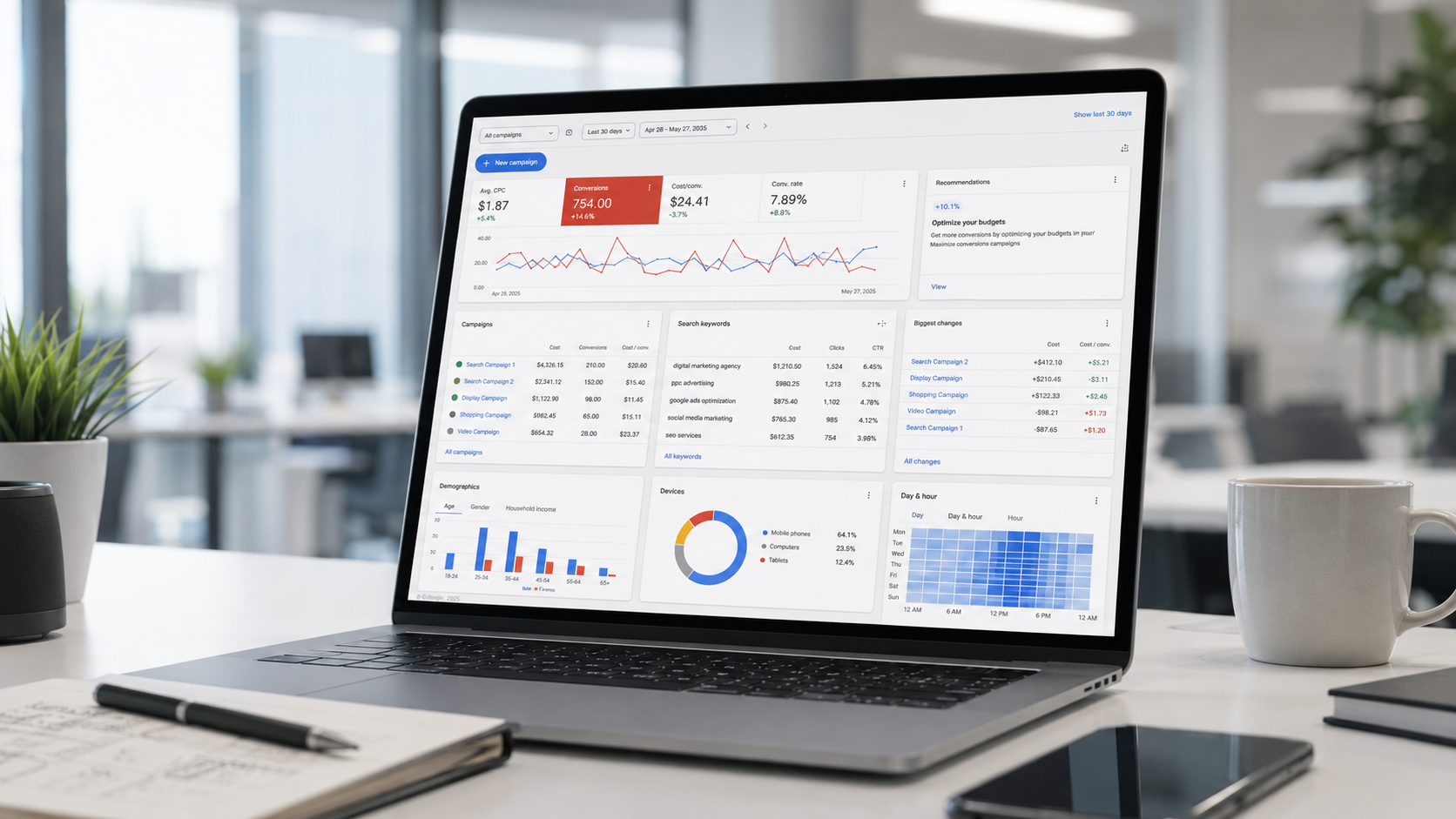
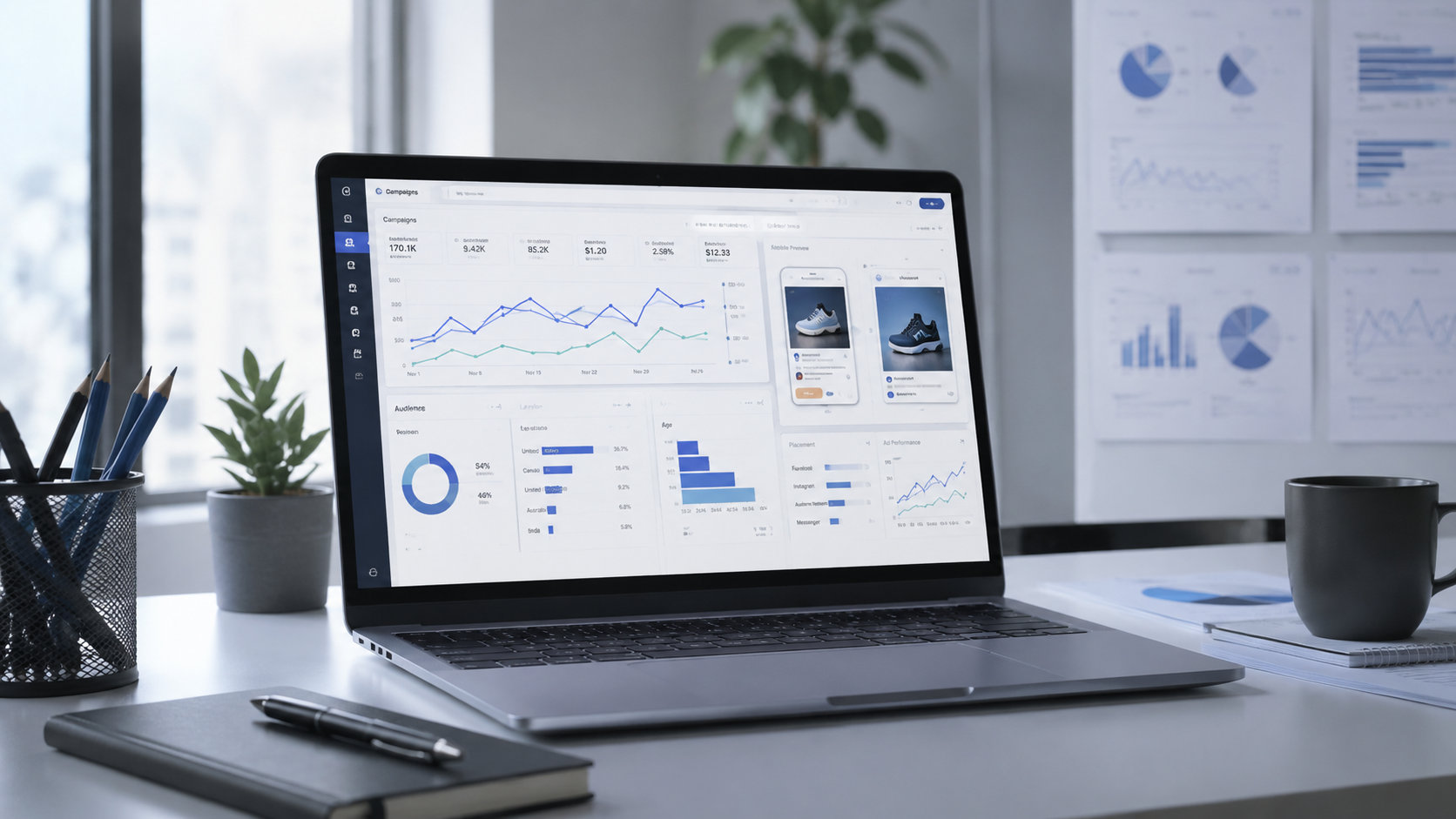
A business analytics dashboard is a digital screen that shows important business data in one place. It helps business owners and teams understand what is happening inside the company without checking multiple tools manually.
A dashboard can show website visitors, leads, sales numbers, customer activity, campaign performance, revenue trends, user behavior, conversion rates, and operational reports.
Instead of depending only on guesswork, a dashboard gives a clear view of performance.
For a modern business, this is very important because growth needs visibility. If a company cannot measure its performance, it becomes difficult to improve it.
Why do businesses need dashboards today?
Businesses need dashboards because data is coming from many places. A company may have website traffic, social media activity, paid ads, customer forms, sales calls, CRM records, payment data, and support requests.
If this information is scattered, teams may not understand what is working and what is failing.
A dashboard brings this information together. It helps the business see important numbers quickly and make better decisions.
For example, if a business is getting many website visitors but very few inquiries, the problem may be poor call to action, weak service explanation, slow page speed, or confusing user flow.
Without a dashboard, these problems may stay hidden.
How do dashboards help in decision making?
Dashboards help in decision making by showing real numbers instead of opinions.
Many businesses make decisions based on assumptions. They may think one service is popular, one campaign is working, or one page is performing well. But without data, it is difficult to know the truth.
A dashboard shows what is actually happening.
It can show which pages users visit most, which services get more attention, which campaigns bring leads, which leads are converting, and where users are dropping off.
This helps business owners take practical decisions. They can improve content, adjust marketing, focus on high performing services, and fix weak areas.
What type of data should a business track?
A business should track data that directly connects with growth, customer behavior, and operations.
Important data includes website visitors, page views, traffic sources, form submissions, lead quality, conversion rate, sales pipeline, customer inquiries, campaign performance, revenue, user location, device type, bounce rate, and customer engagement.
For service based businesses, lead tracking is very important. They should know where leads are coming from, which service pages are generating inquiries, and how many leads are converting into clients.
For product based businesses, dashboards can track users, purchases, orders, payments, retention, and customer behavior.
The goal is not to track everything. The goal is to track the right data that helps the business grow.
How can dashboards improve sales and lead generation?
Dashboards improve sales and lead generation by showing where leads are coming from and how they are moving through the sales process.
For example, a business may get leads from Google search, LinkedIn, Instagram, paid ads, referrals, and website forms. A dashboard can show which channel is bringing better leads.
This helps the team focus on the best performing channels instead of wasting time and budget on weak ones.
A dashboard can also show lead status. It can track new leads, contacted leads, follow up leads, converted leads, and lost leads.
This gives the sales team better control and helps them avoid missing important opportunities.
Why are website analytics important for growth?
Website analytics are important because the website is often the first place where customers interact with a business.
Analytics can show how visitors are using the website. It can show which pages they visit, how much time they spend, where they click, and where they leave.
This helps the business understand customer interest.
For example, if many visitors are reading a blog about AI systems, the company can create more content around AI services. If users are leaving from the contact page, the form may be too long or unclear.
Website analytics help turn the website into a growth tool instead of just an online brochure.
How do dashboards support marketing performance?
Dashboards support marketing performance by showing which campaigns are producing results.
Marketing is not only about posting content or running ads. It is about understanding what creates awareness, engagement, leads, and conversions.
A dashboard can show campaign reach, clicks, traffic, leads, conversion rates, cost per lead, and return on investment.
This helps businesses stop guessing and start optimizing.
For example, if one campaign brings many clicks but no leads, the message may be weak or the landing page may not be convincing. If another campaign brings fewer clicks but better leads, that campaign may be more valuable.
Dashboards help marketing teams spend time and money more wisely.
What mistakes do businesses make with data?
Many businesses collect data but do not use it properly.
One common mistake is checking too many numbers without understanding what matters. This creates confusion instead of clarity.
Another mistake is using separate tools that do not connect with each other. For example, website data may be in one tool, lead data in another tool, sales data in a spreadsheet, and marketing data somewhere else.
This makes reporting slow and inaccurate.
Some businesses also ignore data until there is a problem. They only check performance when leads drop or sales slow down.
A better approach is to use dashboards regularly so the business can improve continuously.
How can Pixenox help build business analytics dashboards?
Pixenox can help businesses build analytics dashboards that connect websites, CRM systems, marketing platforms, sales data, and operational workflows.
These dashboards can help business owners track leads, understand website performance, measure campaign results, monitor sales progress, and make better decisions.
Pixenox can also connect dashboards with AI, automation, cloud infrastructure, SEO, AEO, GEO, and custom software systems.
For startups, Pixenox can build dashboards to track product growth and user behavior. For service businesses, Pixenox can create lead generation and sales performance dashboards. For industries, Pixenox can build custom dashboards for operations, finance, customers, and workflow management.
The goal is to help businesses see their growth clearly and act faster.
Final thoughts
A business cannot grow properly if it cannot measure what is happening.
Analytics dashboards give businesses clarity. They show what is working, what is failing, and where improvement is needed.
Modern companies need more than websites and marketing campaigns. They need data driven systems that help them understand customers, improve decisions, and scale with confidence.
For businesses that want smarter growth, analytics dashboards are not optional. They are a powerful foundation for better performance.