

Execution Drift Is How Enterprise Operations UnravelService ExplainerSimplified explanation
Service Explainer
Simplified explanation
Processes rarely fail all at once. They drift as exceptions accumulate, policies evolve independently, and teams adapt to local needs. Over time, the organization executes the same process in different ways without realizing it. The challenge isn't preventing change—it's ensuring every operational change is interpreted, adopted, and executed consistently, regardless of system, team, or geography.

What Prevents Execution Drift
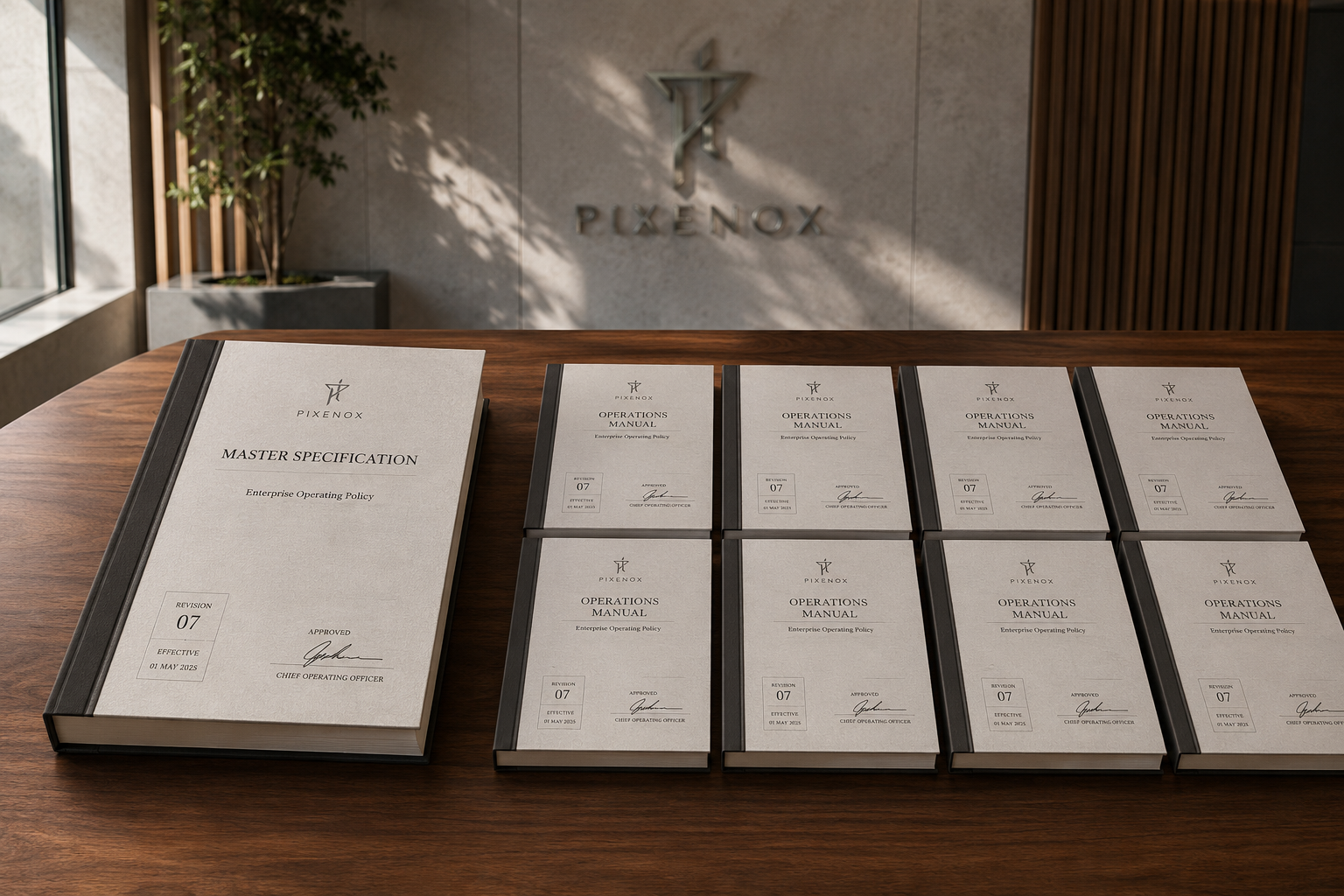
Policies Should Behave Like Code
Execution drift begins the moment the same policy is implemented differently across teams or systems. The solution isn't documenting processes more thoroughly—it's ensuring every operational rule has one authoritative definition that propagates consistently wherever the business executes, eliminating local variations before they become organizational behavior.
Core Engineering Functions
Idempotent Workflow State Machines
Guarantee exactly-once business effects across invoicing, onboarding, and dispatch webhooks even under network retries.
Execution Drift & Exception Telemetry
Detect stalled approvals, schema mismatches, and SLA breaches within seconds via centralized dead-letter inspection.
API Middleware Across Legacy SOAP/REST
Bridge modern event buses seamlessly with legacy ERPs and custom internal services without disrupting core operations.
Human-in-the-Loop Escalation Queues
Combine high-throughput automation with structured operator sign-off for financial or policy exceptions.
What Actually Changes
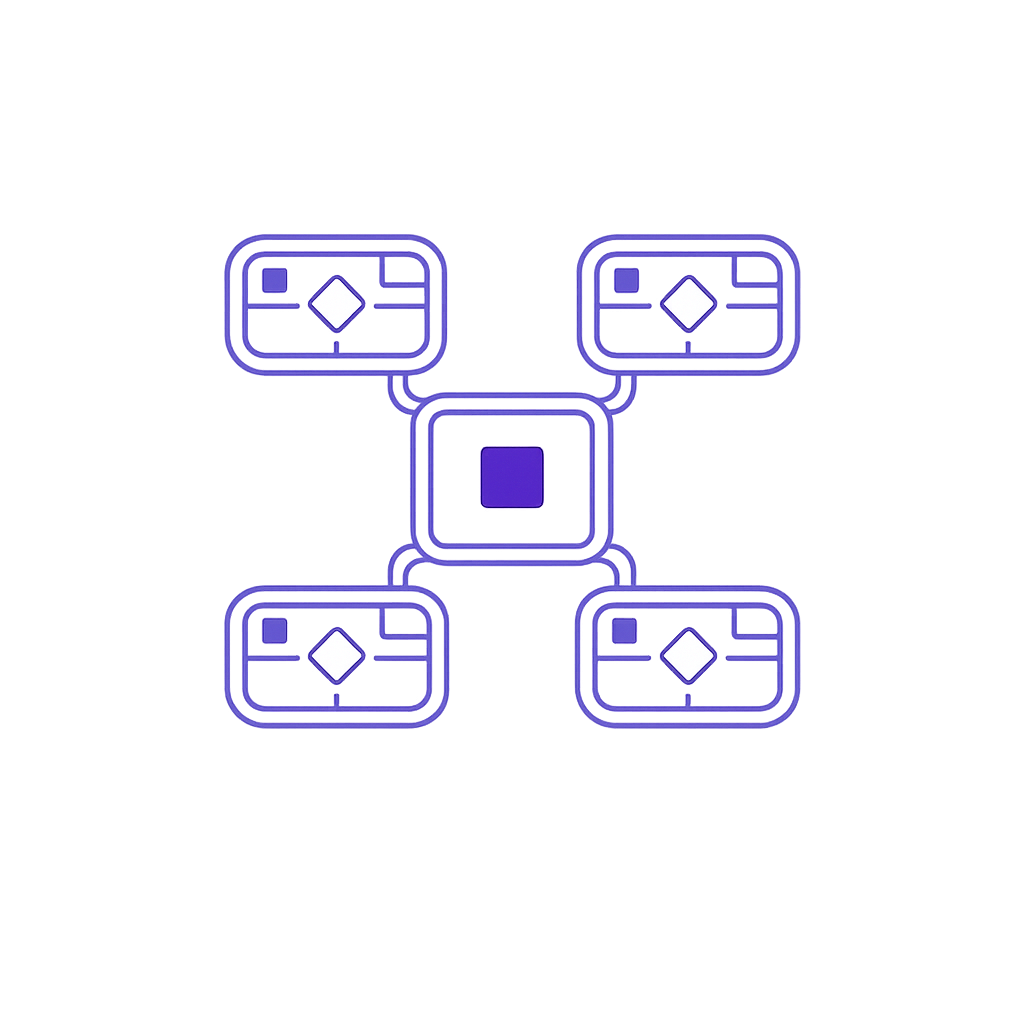
Changes Propagate
A policy changes once. Every dependent process executes the updated intent instead of creating local interpretations.
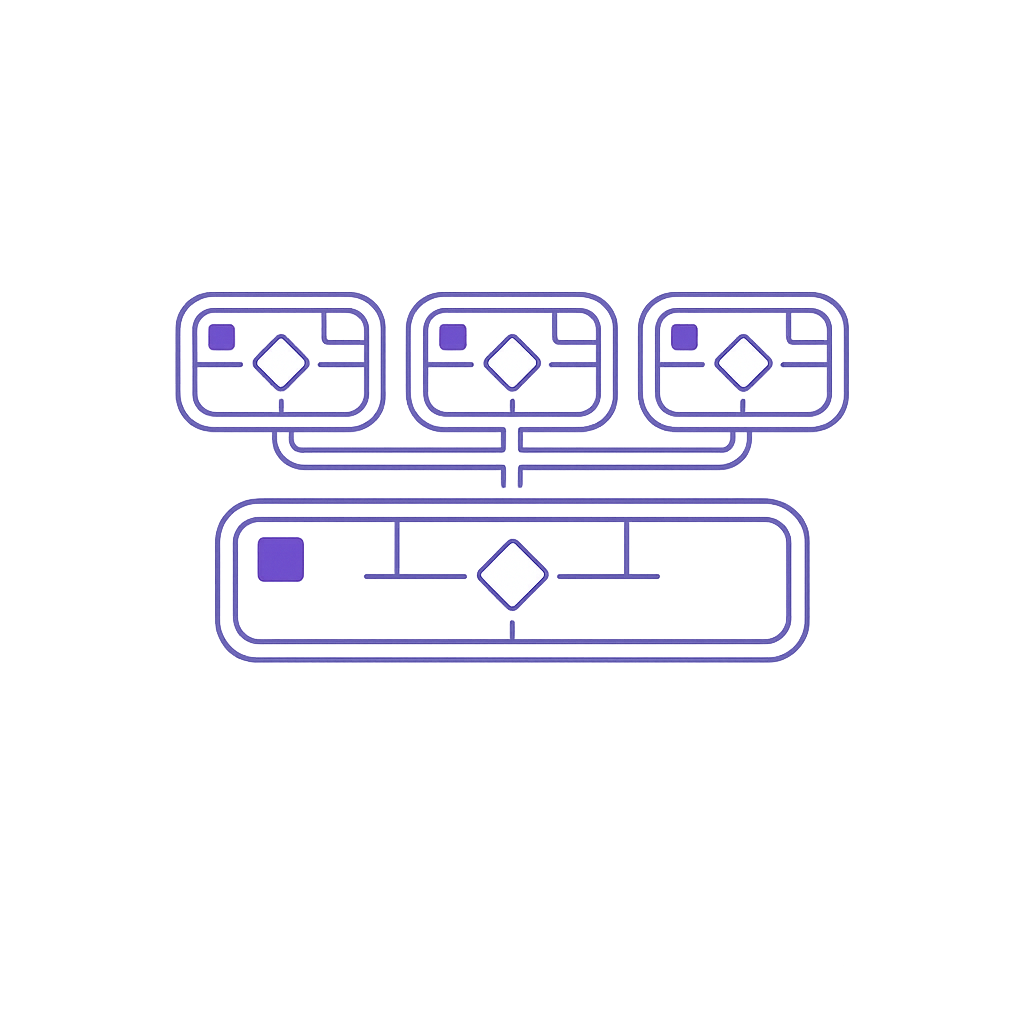
Standards Inherit
New teams, business units, acquisitions, and systems adopt existing operating standards instead of defining their own from scratch.
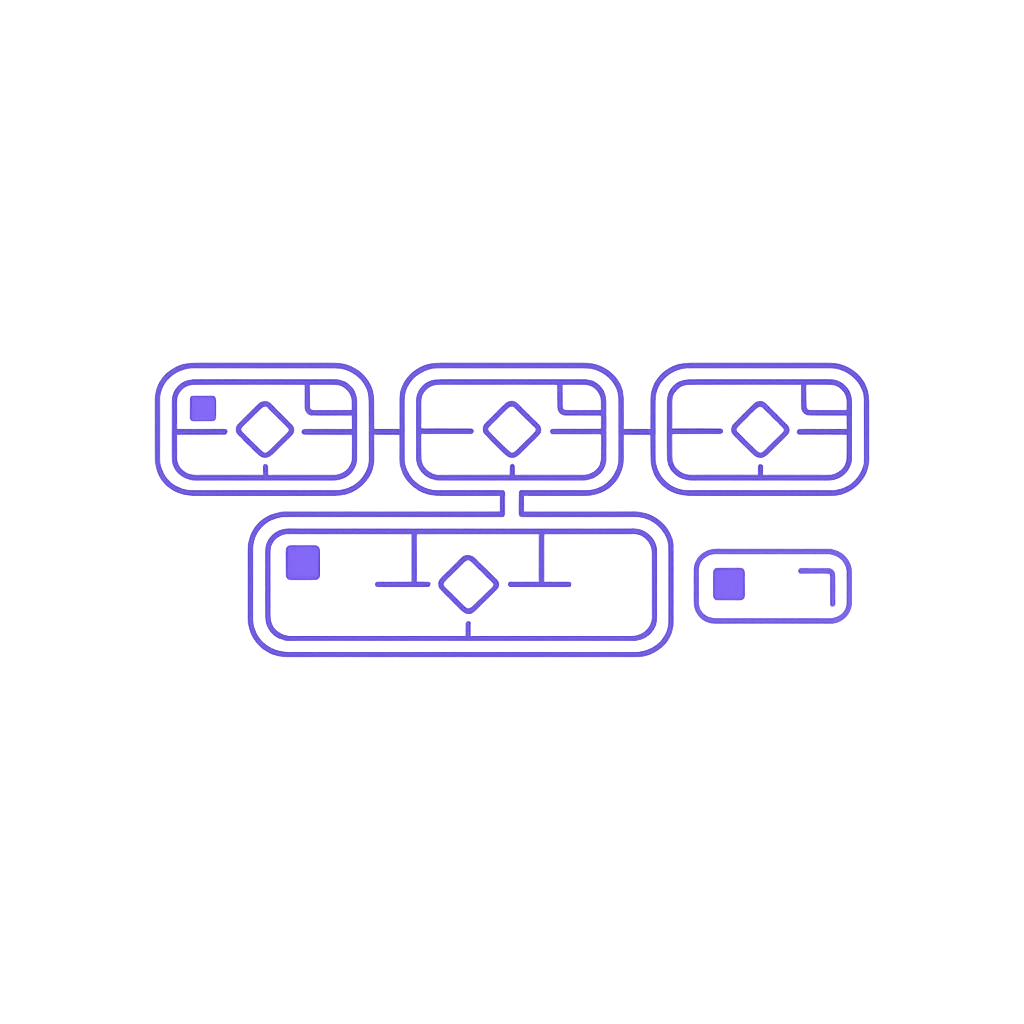
Exceptions Expire
Temporary workarounds remain isolated instead of becoming permanent operating practices that quietly reshape execution over time.
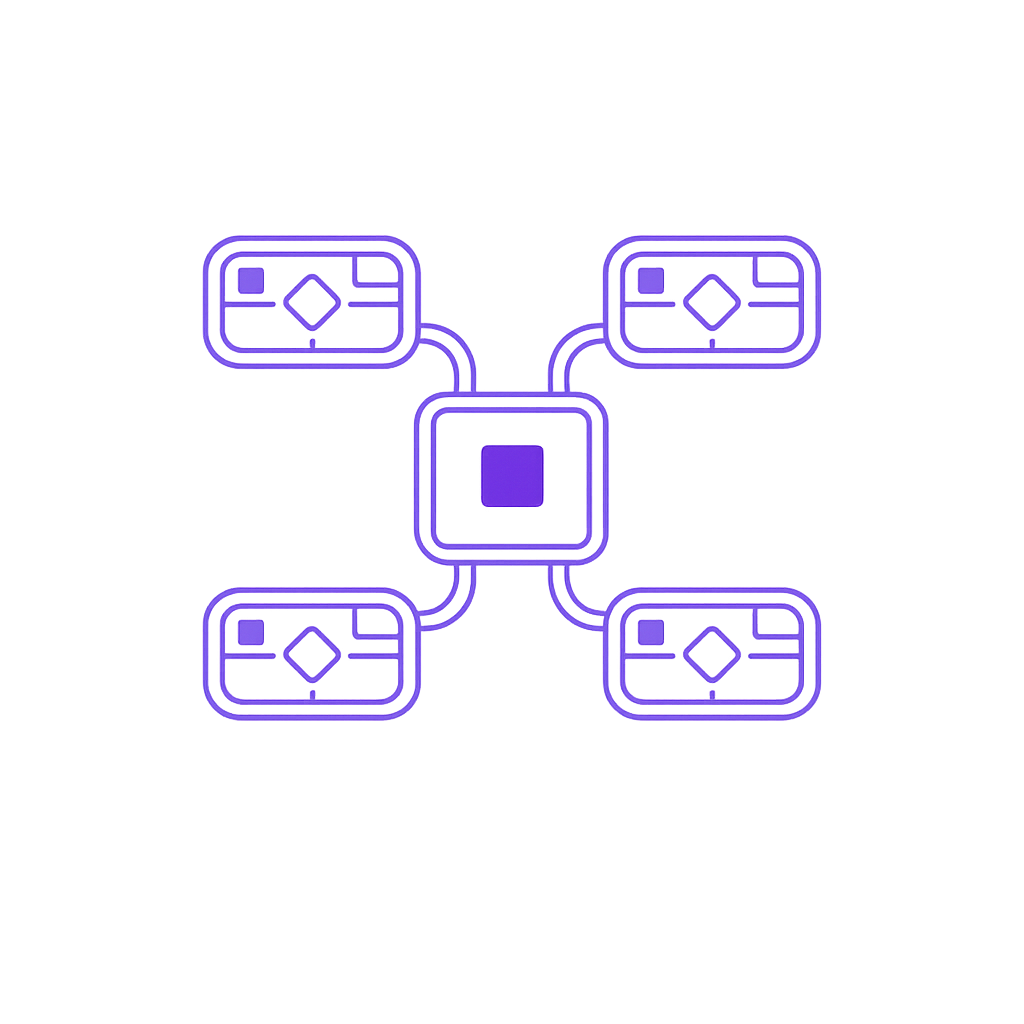
Execution Converges
Independent processes continue serving different functions while producing consistent outcomes because they execute from the same operational intent.
Any questions about this service?
Current Modernization Trends